Who is talking?
Identify audience groups, communities and conversation patterns.
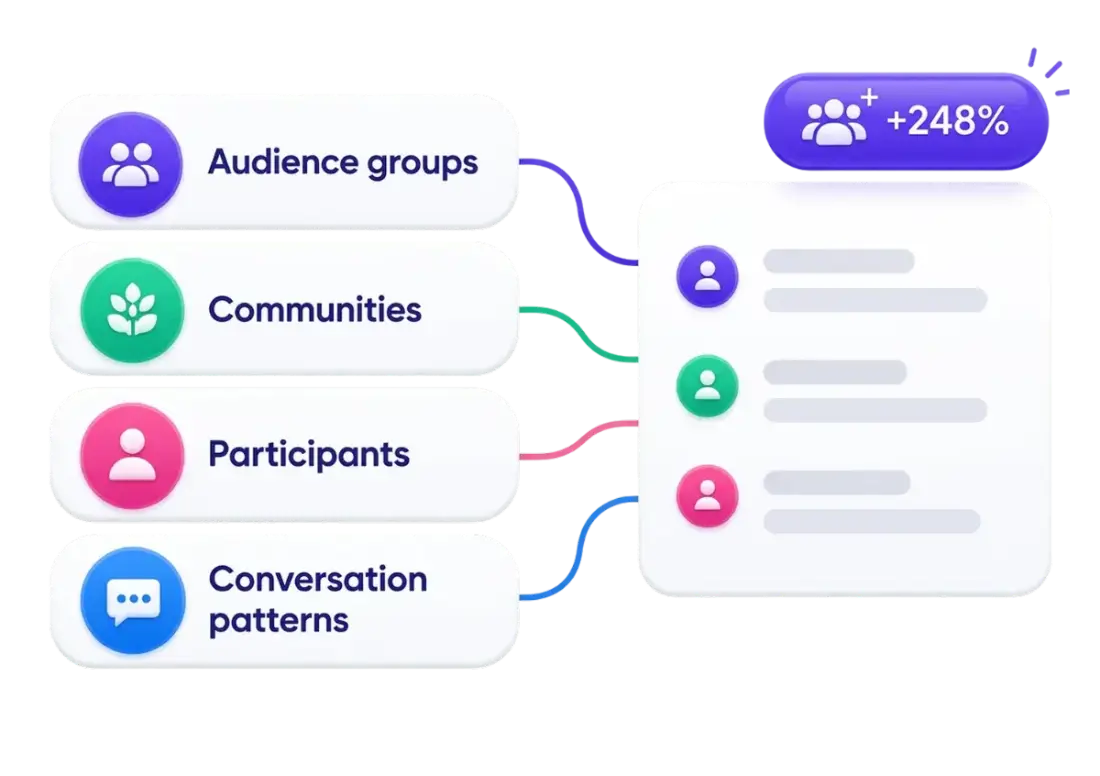
Turn real conversations into audience insights. Lolly helps you understand who is talking, what they care about and what is driving the conversation across social and the open web.
 airbnb
 Apple
Apple Alibaba
 Amazon
 Toyota
Why it matters
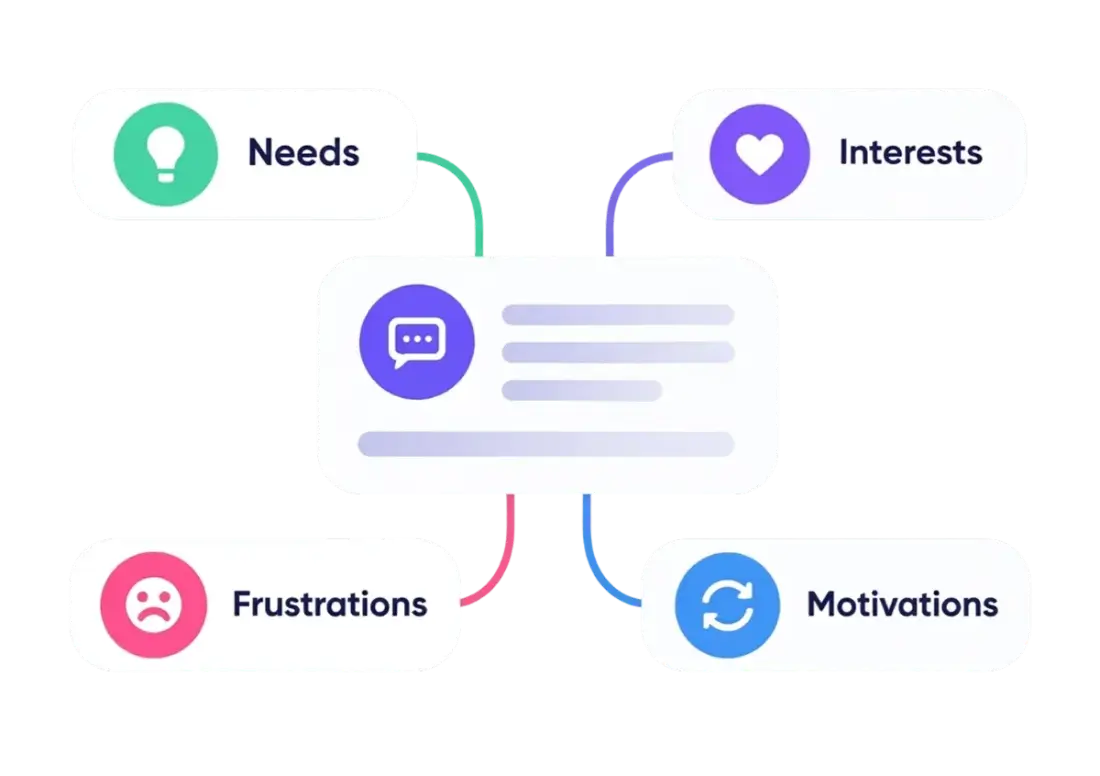
Lolly analyzes ongoing conversations to surface interests, frustrations, motivations and emerging needs. Instead of asking only what people think, teams can observe what they choose to discuss when no survey is prompting the answer.See the interests, frustrations and needs people raise on their own, with no survey prompting them.
Identify audience groups, communities and conversation patterns.
Surface needs, interests, frustrations and recurring themes.
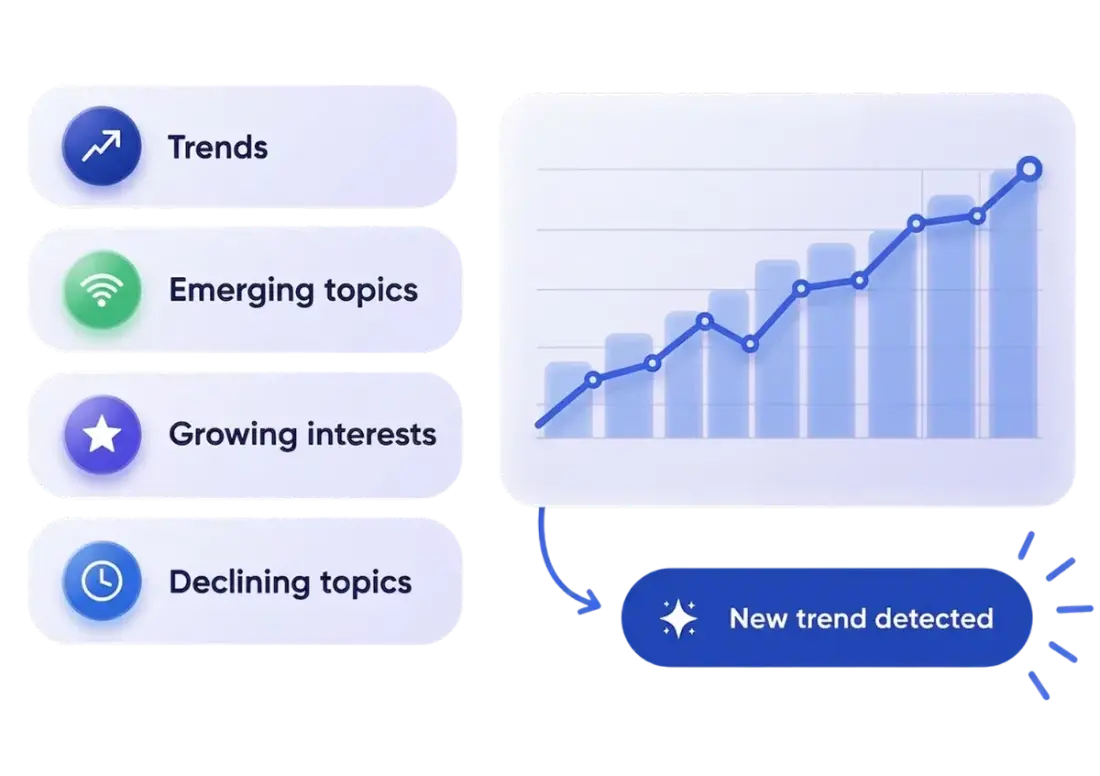
Track shifts in attention, language and consumer priorities over time.
How it works
Analyze audience characteristics and conversation patterns to understand who is contributing to a topic.
Identify recurring needs, interests, frustrations and motivations within the conversation.
Create segments based on shared conversation characteristics rather than relying only on broad demographic labels.
Include image and video signals when the audience communicates through formats beyond text.
Compare audience themes and interests over time to see what is changing rather than treating an audience profile as static.
Two groups, and they barely overlap.
25–34 in the US carries the volume and talks about price. 18–24 in the UK carries the sentiment and talks about design.
Nine creators post to both. That is the shortest route from one group to the other.
Ask Ana to understand who is driving conversations, what they care about, and how audiences are changing.
The workflow
Trace the finding back to the conversations that explain what changed.
Use cases
Discover what people naturally talk about, ask for and care about without relying only on prompted research.
They are structured findings about what people care about, how they talk about a category or brand and what themes or needs are shaping their behavior.
Social intelligence captures spontaneous public conversation, while surveys and panels ask people specific questions. The methods can complement each other.
Lolly’s audience intelligence workflow can organize conversation participants and themes into useful groups for analysis.
Teams can investigate interests, needs, frustrations, themes, sentiment and changes in conversation around a brand or category.
Consumer insights, strategy, marketing, product, brand and research teams can use conversation data to complement formal research.
Explore audience segments, sentiment and conversation drivers using real-world data from people already talking about your brand and category.
Book a demo now